design trends

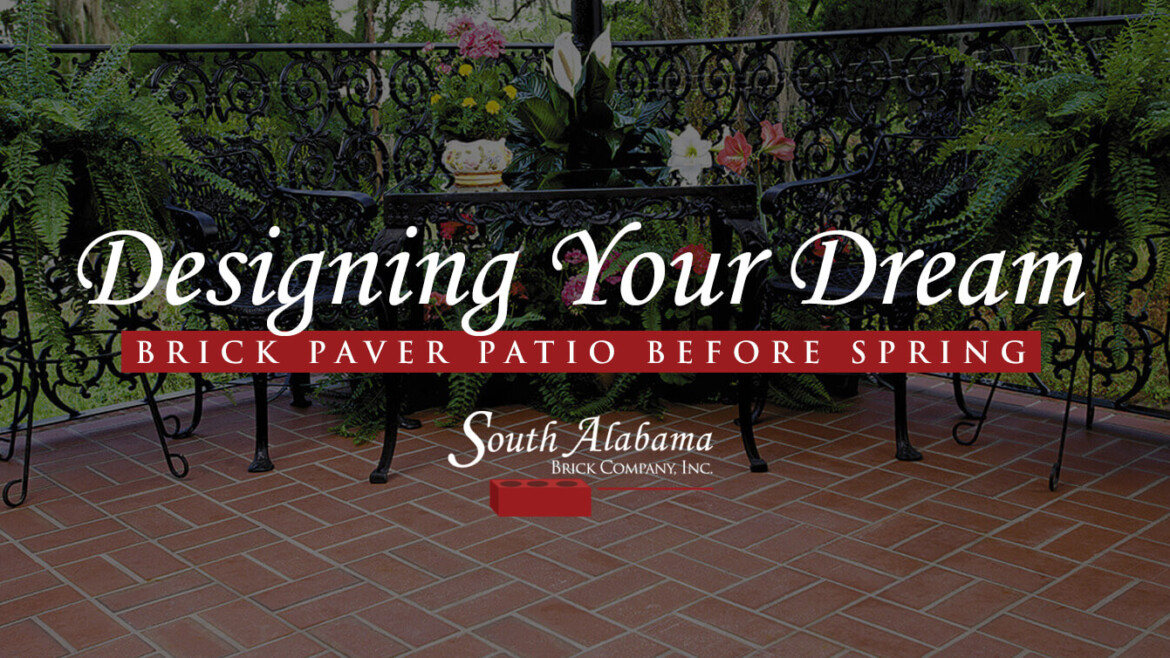
Designing Your Dream Brick Paver Patio Before Spring

Designing Your Dream Brick Paver Patio Before Spring 1440 754 South Alabama Brick

As the chilly days of February slowly give way to the promise of spring, now is the perfect time to start planning for a beautiful brick paver patio. A well-designed patio can transform your outdoor space into a relaxing haven that you’ll enjoy throughout the warmer months. Whether you’re hosting summer barbecues or simply enjoying a quiet evening under the stars, a brick paver patio offers versatility and charm. Here’s how you can start designing your dream patio now.

The benefits of planning early

Designing your brick paver patio before spring allows you to thoughtfully plan and execute a space that meets your aesthetic and functional needs. Early planning lets you avoid the rush of spring home improvements, lock in materials and schedule contractors, such as the experts from South Alabama Brick, at your convenience.

Plus, starting now gives you ample time to consider the best layout, patterns and materials for your patio.

Choosing the right patterns and layouts

The layout and pattern of your brick paver patio are crucial to its overall look and feel. Popular patterns include herringbone, basketweave and running bond, each offering a unique visual appeal.

The herringbone pattern, with its zigzag arrangement, is both classic and durable, making it ideal for high-traffic areas. For a more traditional look, consider the basketweave pattern, which evokes timeless charm. Running bond, with its clean lines, is a versatile choice that complements modern aesthetics, for example.

Selecting your brick type

When choosing the right brick for your patio, consider both color and texture. In Alabama, where the climate is warm and humid, selecting durable, moisture-resistant brick is key.

Select clay brick for its classic appearance and longevity. Alternatively, concrete pavers offer a wide range of colors and finishes, enabling greater customization. Consider mixing different shades to add depth and interest to your patio design.

Practical design tips

Incorporate practical features into your patio design to enhance usability and enjoyment. Consider adding built-in seating, such as retaining walls or benches, to maximize space.

Integrate lighting elements to ensure your patio is functional and inviting after the sun goes down. Border your patio with greenery or planters to create a seamless transition between nature and your outdoor living area.

Summary

Designing your dream brick paver patio requires careful planning and creativity. By starting early, you can ensure that your patio is aesthetically pleasing, functional and durable. As you plan, remember to consider various patterns, brick types and practical features to create a space that truly reflects your style.

For expert guidance and quality materials, reach out to South Alabama Brick and our subsidiaries, including Capital Brick in Montgomery and Riley-Stuart Supply Company in Mobile. Let us help you bring your vision to life. Keep reading our blogs for more home design ideas featuring brick, stone and pavers.

Understanding the Key Differences Between Clay and Concrete Brick

Understanding the Key Differences Between Clay and Concrete Brick 1440 754 South Alabama Brick

When planning a construction project, choosing the right type of brick is crucial. Among the popular options are clay and concrete brick. Understanding the key differences between clay and concrete brick can help you make an informed decision about which material best suits your needs.

Composition and Manufacturing

For starters, clay brick is made from natural clay and shale. Clay brick is fired in kilns at high temperatures. This process yields a dense, durable product known for its classic appearance. Clay brick is sometimes preferred for their earthy tones and natural aesthetic.

Concrete brick is composed of cement, sand, aggregate and water. Concrete brick is manufactured through a mixture that is molded and cured. The versatility in color and texture is a notable benefit, allowing for a wide range of design possibilities.

Weight and Density

Typically, clay bricks are lighter than their concrete counterparts. This can be advantageous during construction, making them easier to handle and transport. However, their lightweight nature does not compromise strength, as they are known for their long-lasting durability.

On the other hand, concrete brick is denser and heavier. This weight contributes to enhanced sound insulation and thermal mass, which can be beneficial in certain building environments. Despite their weight, concrete brick offers exceptional strength and resilience.

Weather Resistance

Key differences between clay and concrete brick continue with how each withstands the elements. Clay brick, for instance, excels in weather resistance, particularly in wet, fluctuating climates. They have a natural ability to withstand rain, sun and frost without significant degradation, making them a popular choice in environments prone to harsh weather.

While concrete brick is also highly durable, it may require additional treatments to improve resistance to moisture absorption and frost. Nonetheless, their robust nature ensures longevity and stability in a variety of climates.

Aesthetic Appeal

Known for their timeless appeal, clay brick offers a rich palette of natural colors and textures, enhancing the architectural beauty of any structure. They are often chosen for projects aiming to achieve a traditional or rustic look.

With the flexibility to be produced in numerous colors and finishes, concrete brick offers architects and builders a wide range of design options. Whether aiming for a modern or industrial aesthetic, concrete brick offers the creative freedom to match any vision.

Summary

The differences between clay and concrete brick are worth noting, as they influence factors such as weight, durability and aesthetic options. Whether your project requires the classic charm of clay or the versatile strength of concrete, South Alabama Brick is equipped to provide the best brick solutions, including our selection of Bilco Brick, the original concrete brick, and our clay brick collections. For more ideas and inspiration, brick by brick, keep reading our blogs.

Top 10 Brick Design Trends of 2025

Top 10 Brick Design Trends of 2025 1440 754 South Alabama Brick

From sustainable materials to unexpected color palettes, this year’s brick trends are redefining how we think about texture, tone and tradition. Whether you’re planning a renovation or just looking for inspiration, discover how the top 10 brick design trends of 2025 are shaping the future of architecture.

Large format pavers

Large-format pavers are oversized paving stones, typically larger than traditional pavers, used to create a modern, seamless, and smooth appearance in outdoor spaces such as patios, walkways, and driveways.

These types of pavers work in classic home designs, adding to the luxurious look, as well as in modern homes, complementing coastal and suburban areas.

Thin brick veneers

Thin brick veneers are lightweight, slim-profile bricks designed to appear like traditional brick walls without the need for full-depth masonry.

This type of brick veneer is trending in 2025 thanks to its cost-effective installation and lightweight versatility for both interior and exterior applications.

Dark and striking colors

Offering a rich, sophisticated aesthetic that complements modern and industrial design styles, choosing dark and bold colors for your brick designs can help add depth, warmth and a sense of timeless elegance to both interior and exterior spaces.

Neutral and earthy colors

On the other hand, neutral and earthy brick colors are trending as homeowners and designers seek calming, nature-inspired palettes that create a warm and grounded feel. These colors also pair effortlessly with organic materials such as wood, stone and greenery.

Textured finishes

Textured finishes for brick are used to enhance visual depth, add tactile interest and create a more natural, handcrafted look. Additionally, the use of textured finishes to soften modern spaces or enrich traditional ones with added warmth and character has made it one of the top 10 brick design trends of 2025.

Fire features

Outdoor brick fire features are trending because they create a cozy, inviting focal point for outdoor living spaces—blending timeless charm with durability while encouraging year-round entertaining and relaxation.

Outdoor kitchens

Another feature that enhances outdoor living areas is a versatile outdoor kitchen. Creating rustic charm and modern functionality, an outdoor kitchen is a stylish and practical way to entertain and enjoy outdoor living at your home.

Retaining walls

Building a brick retaining wall at your house not only provides essential soil support and erosion control but also adds a stylish, durable architectural feature that enhances the landscape’s overall beauty and value.

What’s more, a retaining wall can serve as a platform for additional seating, planter boxes, and integrated lighting.

Mixing materials

Mixing and combining different types of masonry materials can create a dynamic and visually interesting design for patios, driveways and walkways.

Outdoor living areas

Using brick for your outdoor living area can allow you to match your flooring, large doors and covered patios. Brick, as well as stone and pavers, can create a seamless indoor-outdoor transition, extending usable space.

Summary

If you find these top 10 brick design trends of 2025 inspiring, connect with our team at South Alabama Brick to begin designing the brick feature of your dreams! Visit our blog for more brick, stone and masonry design tips and ideas.