Whether it’s a walkway or a patio, understanding the underlying reasons for displacement is the first step toward a lasting repair. Don’t let uneven stones ruin your curb appeal—learn about common causes of paver shifting and what to do to resolve it.
Trapped water.
Water trapped beneath the surface is a major cause of paver shifting, especially in cold climates. As moisture freezes, it expands and pushes the pavers out of alignment—thus, when the ice melts, the pavers settle back unevenly. This then creates hazardous dips or loose stones.
Poor drainage or grading.
Another significant contributor to paver shifting and instability is poor drainage or improper grading. Patios and walkways must be constructed with a proper pitch that slopes away from the house or toward a designated drainage point.
Without this, rainwater pools and gets under the pavers, where it can freeze, expand and heave. Ensuring the correct slope is crucial for the long-term durability of your paved surface.
Improper base prep.
Base preparation is key when laying any foundation. A primary cause of future paver shifting is improper base prep.
This critical foundation requires a depth of six to eight inches or more of compacted crushed stone, topped with a stable bedding layer of sand, all applied with proper compaction and even thickness. If any of these steps are skipped or poorly executed, the base will be unstable and unable to withstand loads, leading to movement and paver displacement.
Joint sand loss.
Another cause of paver shifting and what to do to combat the issue is joint sand loss and re-sanding.
The loss of joint sand destabilizes the pavers, which leads to shifting. This sand is essential for locking the pavers together. Since it can be washed away by rain, eroded by foot traffic or snow removal methods, it is important to regularly re-sand the paved area to prevent gradual sinking or lifting.
Missing edge restraints.
Any missing or deteriorated edge restraints are a common yet preventable cause of paver shifting. The edging system is key to keeping the pavers confined and locked in place.
Without this solid lateral support, the stones will inevitably spread outward, loosening and creating gaps. This outward movement not only destabilizes the pavement but also allows significant shifting, especially during seasonal cold cycles.
How to prevent shifting
Preventing paver shifting requires a combination of good initial installation and proactive maintenance. Foundation stability starts with ensuring excellent drainage by re-grading the area or adjusting the slope to redirect water away. Crucially, maintaining the integrity of the system means regularly refilling paver joints with polymeric sand before winter.
Additionally, you must inspect and reinforce the edging to prevent the entire paved area from spreading outward. Finally, for winter care, avoid salt-based ice melters, which can degrade the system.
Summary
Understanding the causes of paver shifting and what to do about it empowers you to protect your investment and maintain a beautiful, safe outdoor space. By focusing on proper installation, drainage and regular maintenance, you can significantly reduce future issues.
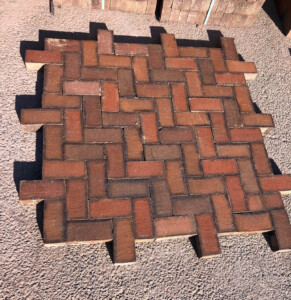
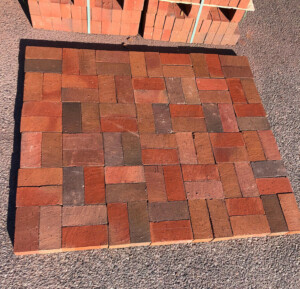
Don’t let these problems persist—explore more of our expert blogs for solutions and contact us for professional assistance with any future hardscape projects! And, for a final thought, ask about two of our newest products from our Cherokee Brick collection: (shown below) Autumn Smoke brick pavers (left) and Velour Flashed brick pavers (right).